Understanding the Logistics Behind Large-Scale Trash Removal
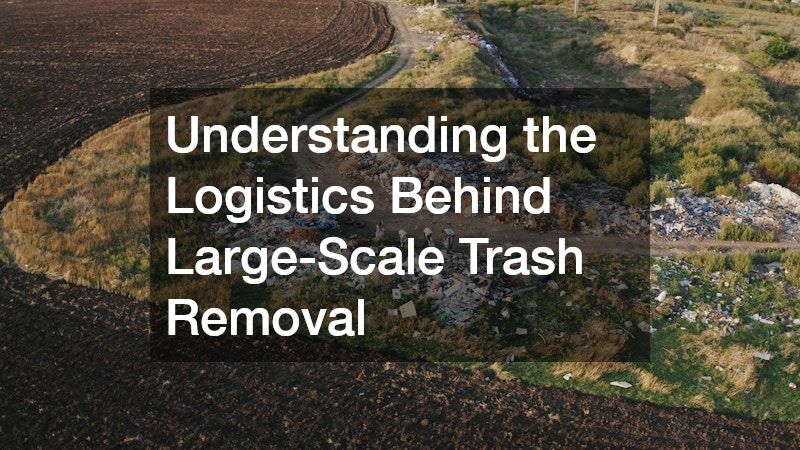
Large-scale waste projects require far more coordination than simply loading unwanted materials into trucks and transporting them away. Construction cleanouts, commercial property renovations, industrial projects, and major community events can generate substantial volumes of debris that must be collected, sorted, transported, and disposed of efficiently. Managing these operations successfully requires careful planning at every stage.
The logistics behind large-scale trash removal involve evaluating the project, selecting appropriate equipment, scheduling transportation, and coordinating disposal methods. When these elements work together, crews can keep projects moving while helping property owners and contractors maintain cleaner, safer work environments.
Planning Collection Around Project Demands
Every large-scale cleanup begins with an assessment of the materials involved and the expected volume of waste. A project may produce bulky furniture, construction debris, packaging materials, scrap, or other items that require different handling methods. Estimating the amount and type of debris helps determine how many containers, vehicles, and workers may be needed to complete the job efficiently.
Timing is equally important. Waste may need to be removed continuously throughout a project rather than collected after work is complete. Construction sites, for example, can quickly become congested when debris accumulates in active work areas. Coordinating pickup schedules with the pace of the project helps prevent containers from overflowing and reduces unnecessary interruptions for workers.
Site conditions also influence planning. Access points, available space for containers, traffic patterns, and safety requirements can affect where equipment is placed and how vehicles enter and leave the property. A well-organized approach considers these details before collection begins, allowing crews to establish an efficient workflow for handling materials.
Coordinating Equipment, Crews, and Transportation
The equipment used for a cleanup depends heavily on the scale of the operation. Smaller projects may require only a single collection vehicle, while larger sites may need multiple trucks, dumpsters, roll-off containers, or specialized equipment. Selecting appropriately sized resources helps reduce the number of unnecessary trips while ensuring crews can manage the available volume safely.
Crew coordination is another major part of the process. Workers may be responsible for loading materials, operating equipment, sorting items, directing vehicles, or monitoring collection areas. Clear communication helps ensure everyone understands the sequence of operations, particularly when multiple teams are working on a large property or project site at the same time.
Transportation logistics become increasingly complex as waste volume grows. Vehicle routes must account for travel distance, road access, traffic conditions, fuel use, and disposal facility locations. Efficient routing can reduce downtime and help vehicles complete more productive trips during the workday. In large-scale trash removal, even small improvements to scheduling and route coordination can make a meaningful difference in overall efficiency.
Container turnover must also be managed carefully. When a full container is removed, a replacement may need to be delivered quickly so the project can continue without interruption. Coordinating these exchanges requires communication between drivers, dispatchers, site managers, and collection crews to keep equipment available when it is needed.
Managing Disposal and Maintaining Operational Efficiency
Collection is only one stage of the overall process. Once materials leave the site, they must be transported to appropriate facilities for disposal, processing, or recovery. Depending on the type of waste, this may involve landfills, recycling centers, transfer stations, or other approved destinations. Understanding where different materials can be accepted is essential for keeping operations organized.
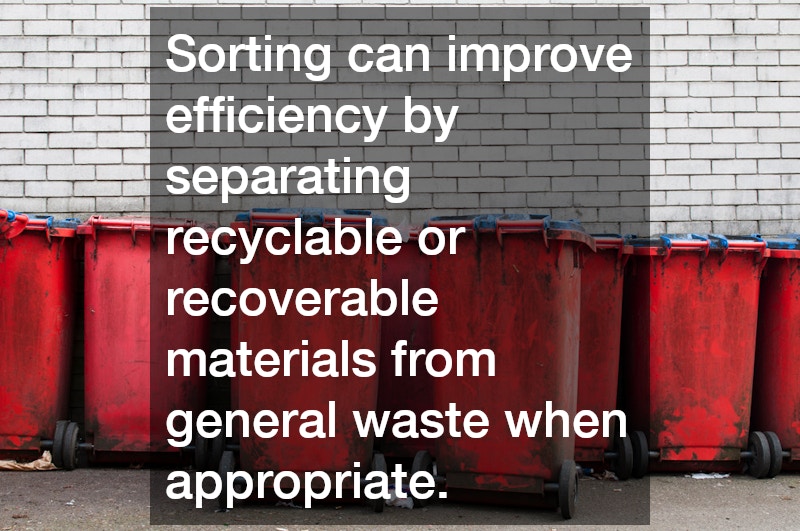
Sorting can improve efficiency by separating recyclable or recoverable materials from general waste when appropriate. Large projects may generate significant amounts of metal, cardboard, wood, concrete, or other materials with different disposal requirements. Establishing a clear process for handling these materials can help reduce confusion and ensure loads are directed to suitable facilities.
Communication connects every stage of the operation. Site managers need updates about pickup timing, drivers need clear access instructions, and disposal facilities may have specific requirements for incoming loads. When information moves efficiently between everyone involved, large-scale trash removal becomes easier to manage despite the many moving parts.
Large cleanup projects depend on detailed logistics, reliable coordination, and the ability to adapt as conditions change. From the first assessment of debris to the final trip to a disposal facility, each step affects the efficiency of the next. By carefully managing equipment, transportation, personnel, and disposal procedures, waste collection operations can support demanding projects while keeping sites cleaner, more organized, and ready for continued work.