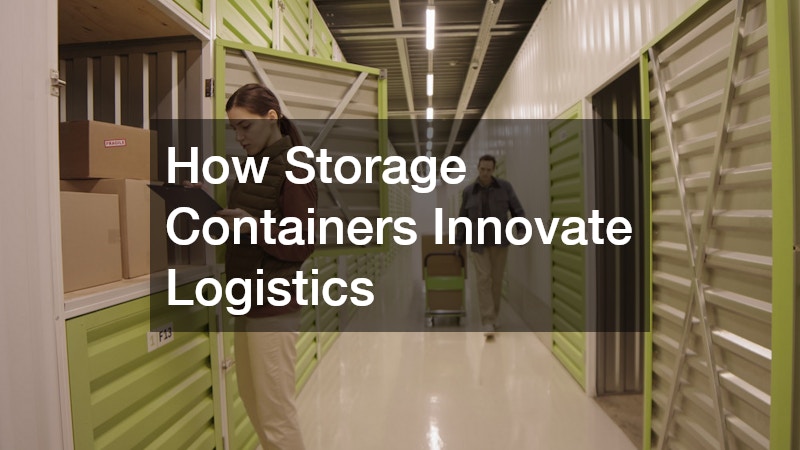
How Storage Containers Innovate Logistics
Storage containers have come a long way since their inception, significantly transforming the logistics industry. The design of modern storage containers is the result of decades of innovation and technological advancements. The changes in materials, design, and functionality of these containers have streamlined operations in ways previously unimaginable. Early containers were often made of wood, limiting their durability and capacity to protect the goods during transport. However, innovations in materials now allow for the creation of containers that are more robust and reliable.
One of the key aspects of storage container innovation is the incorporation of high-strength steel. This change has not only enhanced the security but also improved the stackability of containers. With the integration of advanced technology like IoT, today’s containers are equipped with sensors providing real-time data on location, condition, and security of the cargo. This advancement puts businesses at an advantage as they can respond swiftly to issues, maintaining the integrity of the supply chain. Such innovations make containers more than just storage structures; they have become an integral component of modern logistics strategies.
The concept of modular containers also revolutionized the shipping industry by standardizing the size and shape of containers. This standardization allows for seamless transfer of containers between different modes of transportation such as ships, trains, and trucks, significantly reducing the time and cost involved in logistics operations. The modularity offers flexibility, enabling businesses to invest in a supply chain that can adapt quickly to market demands. As environmental concerns rise, innovative eco-friendly materials for building containers are also being developed, further showcasing the endless possibilities of storage container innovation.
Technological Innovations in Storage Containers
Technology plays a pivotal role in the ongoing innovation of storage containers, pushing the boundaries of what is possible in logistics. Sensors embedded in containers are now ubiquitous, providing critical data that enhances operational efficiency. These sensors monitor temperature, humidity, and other environmental factors that can affect the cargo, providing shippers with data that is crucial for maintaining the quality of perishable goods. This ability to monitor conditions in real-time ensures that products arrive at their destination in optimal condition.
Blockchain technology is another groundbreaking innovation being integrated into storage containers. By utilizing blockchain, each container can have a transparent and immutable history of its contents and movements. This enhances accountability and traceability, reducing the risks of tampering and fraud. As supply chains become more global and complex, having a reliable tracking system in place becomes indispensable for logistics providers. This technology assures customers of the integrity and safety of their products throughout the shipping process.
The introduction of AI and machine learning into logistics has also transformed the way storage containers are managed. Predictive analytics can forecast potential disruptions, allowing for proactive responses to potential issues. AI-powered systems enable more efficient routing and handling of containers, optimizing logistics operations by reducing costs and improving delivery times. Overall, technology continues to be a driving force for storage container innovation, facilitating a new era of logistics that is faster, smarter, and more reliable.
The Impact on Global Trade and Logistics
The innovation of storage containers has had a profound impact on global trade, heralding a new age of logistics efficiency. With the ability to transport large volumes of goods economically, storage containers have opened up international markets to businesses of all sizes. This has led to increased trade activities, fostering economic growth and development across various regions. Moreover, these containers have enabled just-in-time delivery, allowing companies to reduce inventory costs while meeting customer demands promptly.
Environmentally, the innovations in storage container technology have contributed to more sustainable practices in logistics. By optimizing space and load management, the fuel efficiency of transportation means is maximized, thereby reducing carbon emissions. In alignment with global sustainability goals, companies are encouraged to adopt eco-friendly practices, and innovative container technologies help them achieve these targets. The logistics industry is progressively adopting green technologies, and storage containers play a central role in this transition.
Moreover, the flexibility offered by storage containers has encouraged diversification in global logistics solutions. Businesses are not only shipping products but also using containers for storage, pop-up shops, and mobile offices. These versatile applications show the endless potential of container innovation. As technology continues to evolve, we can expect further advancements in storage containers that will continue to drive efficiency and foster innovation in the logistics sector.