What Makes the Best Restaurants Stand Out? Inside a Local Restaurant’s Kitchen and Supply Chain

When people search for the best restaurants in their area, they often focus on the final experience—delicious food, welcoming service, and a comfortable atmosphere. However, what truly separates exceptional establishments from average ones happens behind the scenes. From the moment ingredients are sourced to the way a kitchen is designed, the operational side of a local restaurant plays a major role in delivering a memorable dining experience.
Whether it’s the best Chinese restaurant in town, a popular local seafood restaurant, or a cozy cafe serving handcrafted drinks and pastries, the secret to success often lies in strong supply chains, high-quality equipment, and experienced teams. Behind every great plate of food is a network of suppliers, chefs, distributors, and service professionals working together to make it happen.
This article takes a closer look inside the kitchen and supply chain to understand what truly makes the best restaurants stand out. We’ll explore the meticulous processes that refine culinary artistry, from sourcing high-quality ingredients to mastering innovative cooking techniques. By examining the relationships chefs have with local farmers, suppliers, and artisans, we can uncover the importance of freshness and sustainability in crafting memorable dining experiences. Additionally, we’ll delve into how effective kitchen management and staff collaboration contribute to a restaurant’s overall success. Through interviews with industry experts and behind-the-scenes insights, we aim to highlight the elements that elevate ordinary dining into an extraordinary culinary journey.
The Foundation of Every Great Local Restaurant

Every successful local restaurant starts with a clear vision. Owners and chefs often begin with a concept that reflects their culinary expertise, cultural influences, or community demand. For example, the best Chinese restaurant in a neighborhood might focus on authentic regional recipes, while a local seafood restaurant may highlight fresh catches and coastal-inspired dishes.
However, a strong concept alone isn’t enough to sustain long-term success. Restaurants must also build a reliable operational structure that includes sourcing ingredients, maintaining equipment, and ensuring kitchen efficiency.
A restaurant’s kitchen is a complex environment where timing, organization, and quality control all matter. Without the right support systems in place—such as trusted suppliers and efficient kitchen design—even the most talented chefs would struggle to deliver consistent results.
The best establishments recognize this early and invest in both their culinary teams and the infrastructure that supports them.
Sourcing Ingredients Through Local Wholesale Food Distributors
One of the most important components of a restaurant’s success is its ingredient supply. High-quality food begins with high-quality sourcing, which is why many businesses work closely with local wholesale food distributors.
These distributors provide restaurants with access to a wide range of ingredients, including fresh produce, seafood, meats, specialty products, and pantry staples. Working with local wholesale food distributors allows restaurants to maintain consistent inventory while also supporting regional supply chains.
For example, a local seafood restaurant may rely on distributors that specialize in delivering fresh fish and shellfish daily. This ensures that dishes are prepared with the freshest ingredients possible, which directly impacts flavor and customer satisfaction.
Similarly, the best Chinese restaurant may depend on suppliers who provide authentic sauces, spices, noodles, and specialty vegetables that are essential for traditional recipes. Without these partnerships, it would be difficult for restaurants to maintain authenticity and consistency.
Distributors also help restaurants adapt to seasonal availability and fluctuating demand. By working with reliable partners, kitchens can keep their menus stocked without sacrificing quality.
The Role of Local Restaurant Supplies
In addition to ingredients, restaurants depend on essential equipment and materials to operate efficiently. Local restaurant supplies include everything from cookware and utensils to food storage containers, serving ware, and cleaning products.
Reliable local restaurant supplies are critical for maintaining food safety and kitchen organization. Professional-grade equipment allows chefs to prepare dishes more efficiently while ensuring consistent results.
For example, a cafe may require specialized espresso machines, grinders, and baking equipment to produce high-quality beverages and pastries. A local seafood restaurant, on the other hand, might rely on refrigerated storage systems and specialized knives designed for seafood preparation.
Using durable and well-designed supplies helps restaurants streamline their workflow. When kitchens are organized and properly equipped, staff members can focus on preparing exceptional meals rather than dealing with equipment issues.
Restaurants that prioritize quality supplies often see improved productivity and smoother daily operations.
Why Kitchen Design Matters
The physical layout of a kitchen plays a major role in restaurant efficiency. A poorly designed kitchen can slow down service, create safety hazards, and lead to operational challenges.
Professional kitchen planning includes selecting the right appliances, arranging workstations strategically, and ensuring proper ventilation. One essential component of any commercial kitchen is a kitchen hood installation service.
A kitchen hood installation service ensures that cooking fumes, smoke, and heat are safely removed from the kitchen environment. Proper ventilation is not only important for staff comfort but also for meeting health and safety regulations.
Restaurants that invest in professional installation benefit from improved air quality and safer working conditions. This is especially important in busy kitchens where high-heat cooking techniques such as stir-frying, grilling, and deep frying are common.
For instance, the best Chinese restaurant often relies on powerful wok burners that generate intense heat. Without proper ventilation provided by a kitchen hood installation service, these cooking methods would be difficult to manage safely.
Effective kitchen design allows staff to move smoothly between stations, reducing delays during peak dining hours.
The Importance of Skilled Culinary Teams
Behind every outstanding restaurant is a talented team of chefs and kitchen staff. While equipment and supplies are essential, it’s the people who bring recipes to life.
Experienced chefs understand how to balance flavors, maintain consistency, and adapt menus based on ingredient availability. They also play a key role in managing relationships with suppliers and distributors.
In a local seafood restaurant, chefs must know how to prepare delicate seafood properly to preserve freshness and texture. At the best Chinese restaurant, culinary expertise is required to master traditional cooking techniques such as wok cooking, steaming, and braising.
Team collaboration is another important factor. Kitchen staff must communicate effectively to ensure dishes are prepared and plated efficiently. When teamwork is strong, restaurants can maintain high standards even during busy service periods.
Great restaurants invest in training and professional development to keep their teams skilled and motivated.
Cafés and Their Unique Role in the Restaurant Industry

While many people associate restaurants with full-service dining, the cafe has become an essential part of modern food culture.
Cafés often serve as community gathering spaces where customers can enjoy coffee, light meals, and casual conversations. Despite their relaxed atmosphere, running a successful cafe requires the same operational efficiency as any other restaurant.
From sourcing fresh ingredients to maintaining reliable local restaurant supplies, café owners must ensure their operations run smoothly. They may also collaborate with local wholesale food distributors to obtain baked goods, dairy products, and specialty coffee beans.
Many cafés also expand their services beyond traditional dine-in options by offering catering for meetings and events. This creates additional opportunities for revenue while strengthening community connections.
Catering Services and Restaurant Expansion
As restaurants grow in popularity, many choose to expand their offerings through catering. A professional catering company allows restaurants to bring their cuisine to private events, corporate gatherings, and celebrations.
For example, restaurants known for authentic cuisine may develop specialized catering menus. Businesses offering italian catering can serve large groups with classic dishes like pasta, antipasto platters, and traditional desserts.
By operating as a italian catering company, restaurants can reach customers who may not always dine at their physical location. Catering also allows businesses to showcase their culinary skills in different settings.
Successful catering operations rely heavily on strong supply chains. Restaurants must coordinate with local wholesale food distributors and ensure they have adequate local restaurant supplies to handle larger food volumes.
This level of organization helps maintain the same quality standards customers expect from dine-in service.
Quality Control in the Supply Chain
Maintaining consistent quality is one of the biggest challenges in the restaurant industry. Restaurants must ensure that every ingredient, tool, and process meets high standards.
Working with trusted local wholesale food distributors allows restaurants to verify product quality and maintain reliable deliveries. Establishments that build strong supplier relationships often gain access to better ingredients and dependable service.
Quality control also extends to storage and preparation. Restaurants must follow strict food safety guidelines to protect both customers and staff.
Proper refrigeration, sanitation procedures, and organized inventory systems all contribute to maintaining safe and high-quality operations. These practices are particularly important for establishments such as a local seafood restaurant, where ingredient freshness is critical.
Restaurants that prioritize quality control often develop loyal customer bases because diners trust their consistency.
Customer Experience and Atmosphere
Although kitchen operations are crucial, the customer-facing side of a restaurant also plays an important role in its success.
Ambiance, service, and presentation contribute to the overall dining experience. The best restaurants focus on creating welcoming environments where guests feel comfortable and valued.
A cozy cafe may emphasize warm lighting and relaxed seating arrangements, while a local restaurant specializing in family dining might focus on friendly service and approachable menu options.
Even the best Chinese restaurant or local seafood restaurant must consider how décor, music, and table service influence customer satisfaction.
Great restaurants understand that food quality and atmosphere work together to create memorable dining experiences.
Innovation and Adaptability in Modern Restaurants
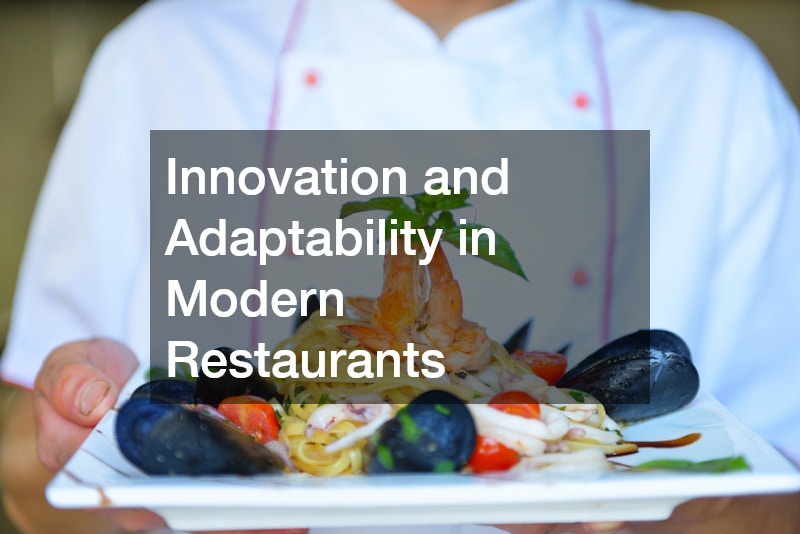
The restaurant industry is constantly evolving. Changing customer preferences, new technology, and shifting supply chains require businesses to adapt.
Many of the best restaurants succeed because they embrace innovation. They explore new menu ideas, adopt efficient kitchen equipment, and collaborate with local suppliers.
For example, some restaurants partner with local wholesale food distributors to introduce seasonal ingredients or specialty products. Others expand their services by offering delivery, takeout, or event catering.
Businesses that operate as a catering company or provide Italian catering often adjust their menus to accommodate different event styles and dietary preferences.
Adaptability allows restaurants to remain competitive while continuing to meet customer expectations.
Supporting Local Businesses and Communities
Restaurants are more than just dining establishments—they are an important part of local economies. A successful local restaurant often collaborates with multiple businesses, including distributors, suppliers, and service providers.
For example, a kitchen hood installation service may work with restaurants during renovations or new openings. Local restaurant supplies companies provide essential equipment that keeps kitchens running efficiently.
Meanwhile, local wholesale food distributors help connect restaurants with farmers, fisheries, and food producers.
This network of partnerships supports job creation and strengthens local communities. When customers choose to dine at a local seafood restaurant, cafe, or the best Chinese restaurant in town, they are also supporting the broader hospitality ecosystem.
Why the Best Restaurants Continue to Thrive
The success of the best restaurants is rarely accidental. It comes from careful planning, strong supplier relationships, skilled culinary teams, and efficient kitchen operations.
From sourcing ingredients through local wholesale food distributors to investing in reliable local restaurant supplies, successful restaurants understand the importance of every detail.
They prioritize quality, maintain strong partnerships, and continually adapt to changing industry trends.
Whether it’s a bustling cafe, a family-owned local restaurant, a renowned local seafood restaurant, or the best Chinese restaurant in the neighborhood, the same principles apply.
Behind every great meal is a network of professionals working together—from chefs and distributors to installers providing a kitchen hood installation service.
When these elements come together effectively, restaurants can deliver exceptional dining experiences that keep customers coming back.
Beyond the Plate: The Culinary Symphony of Quality and Collaboration

The next time you visit one of the best restaurants in your area, remember that the experience goes far beyond the plate in front of you. From trusted local wholesale food distributors and dependable local restaurant supplies to skilled chefs and properly designed kitchens, every part of the supply chain contributes to the final result.
Restaurants that invest in their operations, build strong partnerships, and maintain a commitment to quality are the ones that truly stand out.
Whether enjoying coffee at a neighborhood cafe, attending an event catered by a professional catering company, or savoring authentic dishes through Italian catering, customers ultimately benefit from the dedication and teamwork that define great restaurants.