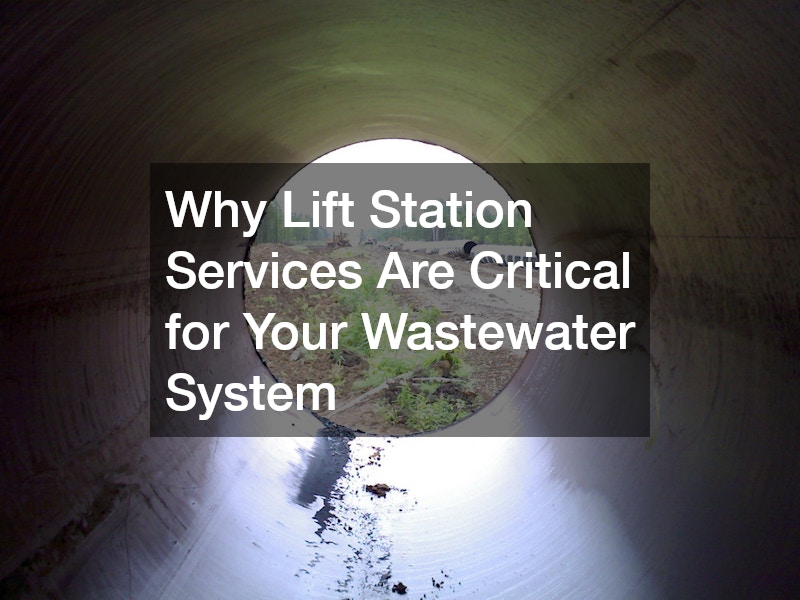
Why Lift Station Services Are Critical for Your Wastewater System
Maintaining a functional wastewater system is crucial for the health and safety of a community, business, or property. While most people think of gravity when it comes to sewage systems, many areas require additional systems, like lift stations, to ensure the proper flow of wastewater. Lift stations are designed to pump wastewater from lower to higher elevations, facilitating the smooth movement of sewage through the system when gravity alone is not enough. Lift station services play an essential role in keeping wastewater systems running efficiently, preventing backups, and ensuring environmental safety.
The Importance of Lift Station Service
Regular maintenance and proper care of lift stations are essential to prevent costly failures and ensure that wastewater systems continue to operate smoothly. Here’s why lift station services are critical for your wastewater system:
1. Preventing System Failures
A properly maintained lift station prevents breakdowns that could result in sewage backups, overflows, or system malfunctions. Wastewater lift stations operate under significant pressure, and their pumps often work around the clock.
Over time, wear and tear on components such as pumps, floats, and valves can lead to malfunction. Without lift station service, these issues can escalate into full system failure, potentially leading to costly repairs, environmental damage, and significant disruptions to service.
By scheduling routine lift station service, you can identify problems early and fix them before they cause more significant issues. Routine maintenance typically includes checking the pumps, cleaning filters, inspecting the electrical systems, and ensuring the overall system is functioning efficiently. By investing in regular servicing, you are helping extend the life of your lift station, minimizing the risk of catastrophic breakdowns.
2. Maintaining Environmental and Public Health Standards
Lift stations are a vital part of wastewater systems, particularly in areas with sensitive environments or densely populated regions. If a lift station fails, wastewater may overflow, causing sewage to spill into streets, neighborhoods, or natural waterways. This not only creates unpleasant odors and unsanitary conditions but also poses significant health risks due to the potential contamination of drinking water and the spread of harmful pathogens.
By ensuring your lift station is in good working order, you are protecting public health and the environment. Regular lift station service helps prevent spills and overflows, keeping the wastewater within the designated pipes and away from areas that could harm the community. Maintaining these systems also ensures that wastewater is properly treated before being discharged, which is essential for compliance with environmental regulations and local standards.
3. Minimizing Operational Costs
Lift stations are designed to be efficient, but when neglected, their operation becomes less effective, and they may consume more energy or require more frequent repairs. Over time, this can lead to increased operational costs. Poor maintenance, such as ignoring clogged filters or damaged pumps, forces the lift station to work harder to push wastewater through the system, ultimately leading to higher energy consumption and potentially larger repair bills.
Lift station service ensures that the system remains energy-efficient by addressing issues before they affect its performance. For example, cleaning and lubricating pumps regularly can reduce friction, making the system run more smoothly and using less power. Keeping the system clean and well-maintained also prevents more significant, expensive repairs down the line.
4. Ensuring Reliable Wastewater Management
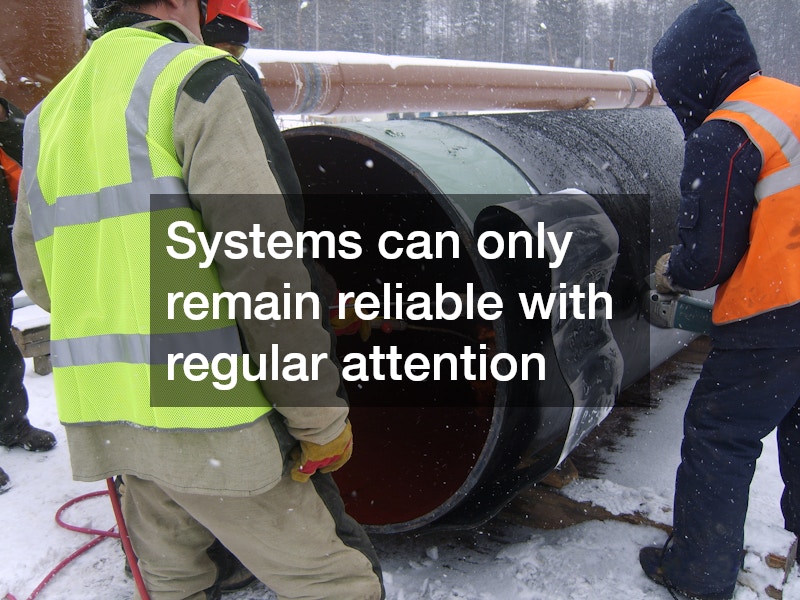
For any property, community, or business, a reliable wastewater management system is non-negotiable. Lift stations help maintain the flow of wastewater even when gravity-based systems are not feasible. However, these systems can only remain reliable with regular attention. Lift station service keeps the system running smoothly and ensures that wastewater is efficiently moved through the system without delays or disruptions. This is especially important for large residential areas, commercial properties, or industrial plants, where wastewater management needs to be seamless and continuous.
5. Compliance with Regulations
There are stringent regulations in place regarding wastewater management, particularly concerning the treatment and discharge of sewage. Regulatory bodies often require regular maintenance and inspection of lift stations to ensure that they meet health and safety standards. Failing to meet these requirements can result in fines or legal actions, especially if there is an environmental or public health incident.
Lift station services ensure that your systems are in compliance with local, state, and federal regulations. By keeping the system up-to-date with inspections and servicing, you ensure that your lift station continues to operate legally and avoids potential penalties or legal challenges. Furthermore, a properly functioning lift station helps prevent any incidents that could bring unwanted attention from regulatory agencies.
Lift stations are essential for the smooth operation of wastewater systems, particularly in areas where gravity systems are insufficient. Without them, wastewater management would be much more complicated and prone to issues such as backups, overflows, and environmental contamination. Lift station services play a crucial role in maintaining the efficiency, reliability, and longevity of these systems. By scheduling regular maintenance, you can prevent costly repairs, ensure public health and environmental safety, and keep your wastewater system running efficiently for years to come.